I'm a 3× founding engineer based in the San Francisco Bay Area, building 0->1 products for real customer use.
My work spans agentic workflows, multimodal learning, and production ML systems, with hands-on ownership across engineering, product, and customer adoption.
I earned my Master's in Information Systems, specializing in Machine Learning and NLP, from
Carnegie Mellon University in December 2025,
and my B.E. in Computer Science from Anna University in 2022.
I care about building technology that improves people’s lives. I enjoy working closely with users to understand what they need and turning those insights into useful AI products. I’m drawn to opportunities where I can take an idea from early experiments to something people rely on — let’s connect!
For research collaborations, reviewing, or speaking opportunities, please reach out by email.
Outside of AI, I enjoy fostering animals, exploring nature, and lifting weights.
Led end-to-end research and development of a new AI product, now live with airline customers, at a Bessemer Venture Partners-backed startup.
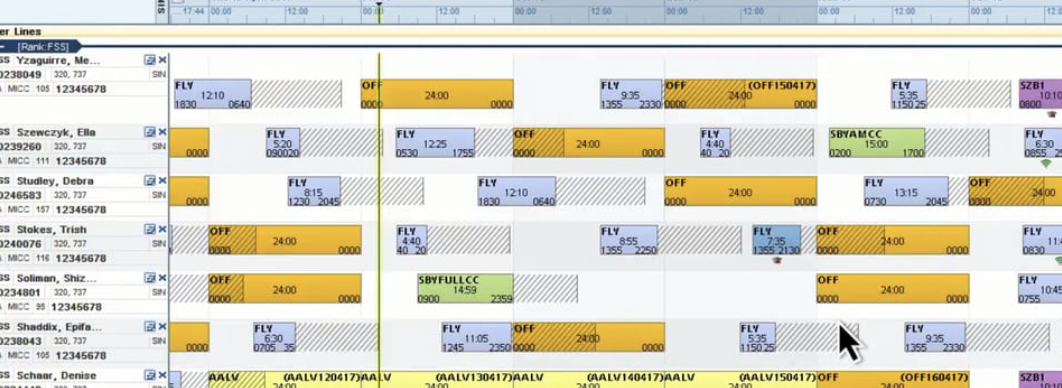
Developed custom constraint solvers, optimizers, and execution schedulers for autonomous agentic workflows, including computer-use agents.
Drove daily accuracy and adoption improvements for crew reserve planning: analyzed operational data, identified failure points with OCC staff, and implemented same-day fixes.
Built a LightGBM model forecasting daily crew reserve demand over a 30-day horizon using rostering data, weather, event calendars, and disruption feeds.
Robot Toolworx (Stealth Startup)
Founding Engineer
Jan 2026 – Jun 2026
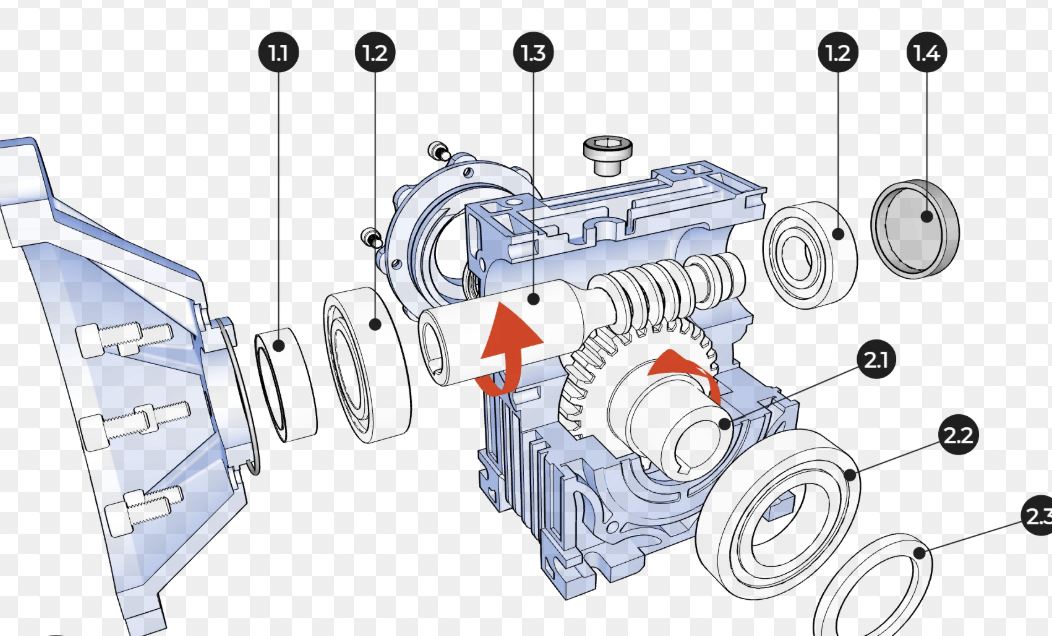
Worked directly with industrial clients to scope, build, and demonstrate production multimodal RAG systems over PDFs, CAD drawings, P&ID schematics, and handwritten engineering diagrams.
Built multimodal ingestion with Gemini OCR, captioning, and structured extraction; extended LightRAG with image nodes, four vector representations per image in Vertex AI, and explicit part-number relationships.
Designed a multi-hop query engine combining knowledge-graph traversal, graph expansion, and cross-document reference resolution to answer questions spanning multiple documents.
Built an LLM-as-judge evaluation layer scoring relevance, fidelity, and utility, providing a benchmark for production sign-off and guiding retrieval improvements through production feedback.
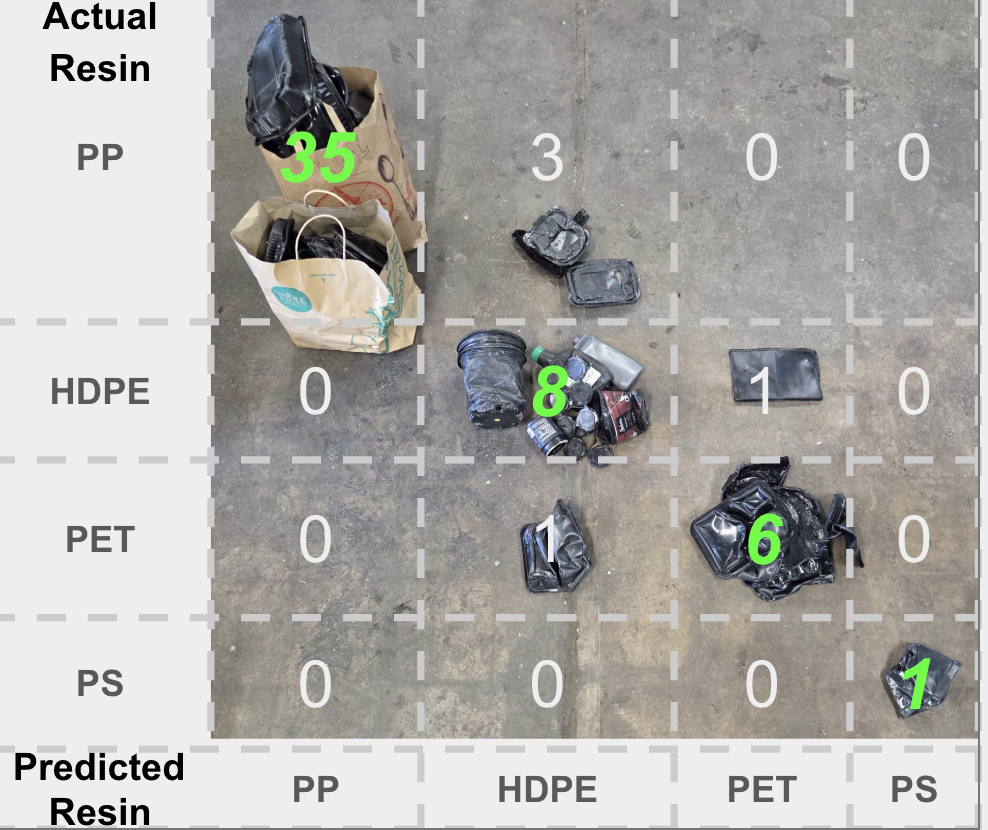
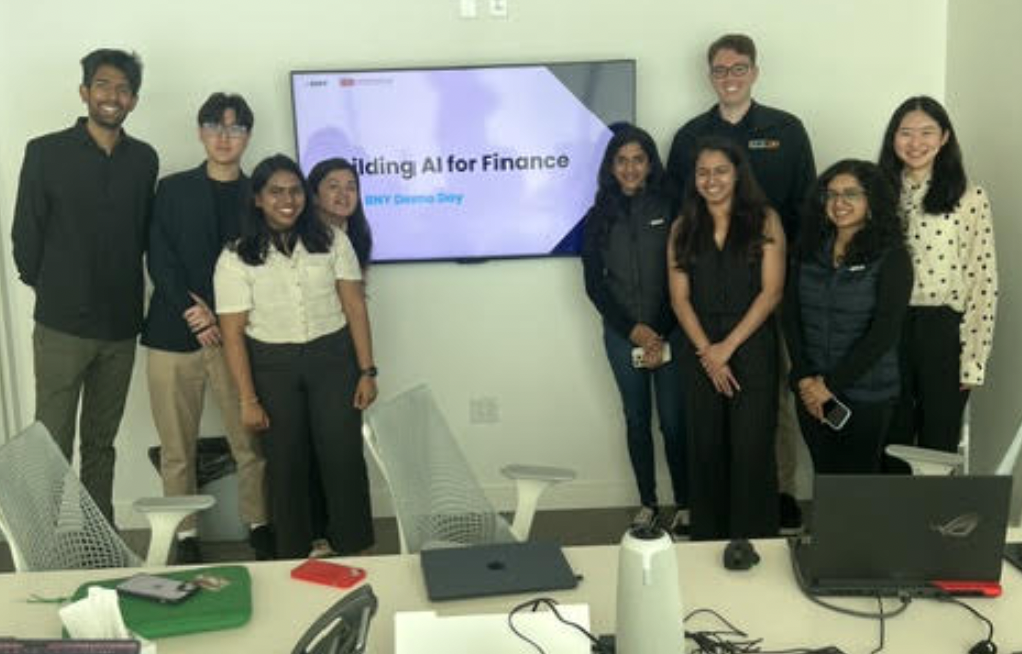
Joined as hire #1 and led a five-person team across ML development, go-to-market, and product execution; built the acoustic-and-visual AI pilot from scratch to classify hard-to-sort recyclable plastics.
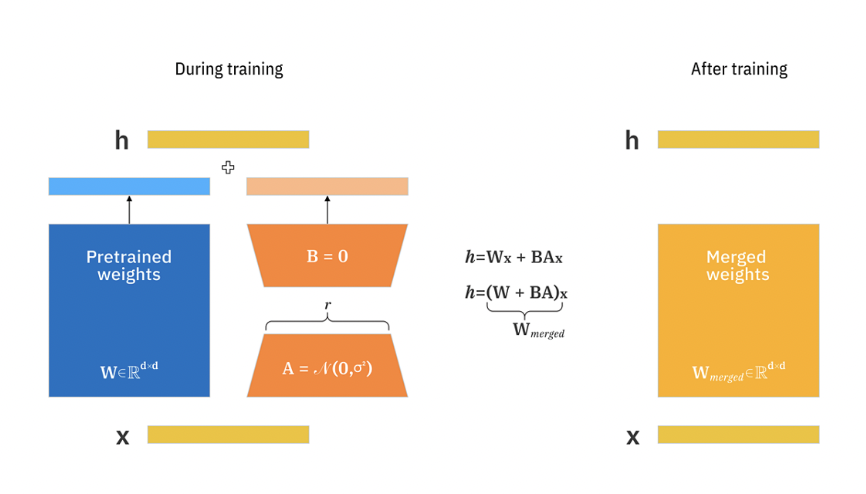
Trained AST/ViT models with cross-attention fusion and LoRA on 20K samples, achieving 93.5% accuracy across six material classes. Reduced Raspberry Pi inference latency from 150 ms to 30 ms using structured pruning, FP16, and ONNX.
Diagnosed a spurious correlation through attention-map analysis and redesigned data augmentations to improve model robustness.
Demonstrated the pilot to prospective customers through demos and technical talks, helping secure the company’s first paying customer, generate revenue, and build a pipeline of additional pilots.
Co-filed a patent on the approach; used experimental results to inform a pivot in product strategy and articulate the technology’s differentiation to investors.
Conducted 30+ customer discovery interviews with financial-services leaders and IT operations teams to identify AI adoption barriers and high-value workflow opportunities.
Developed an AI-SaaS go-to-market strategy and presented recommendations to C-suite executives, translating technical research and customer needs into business priorities.
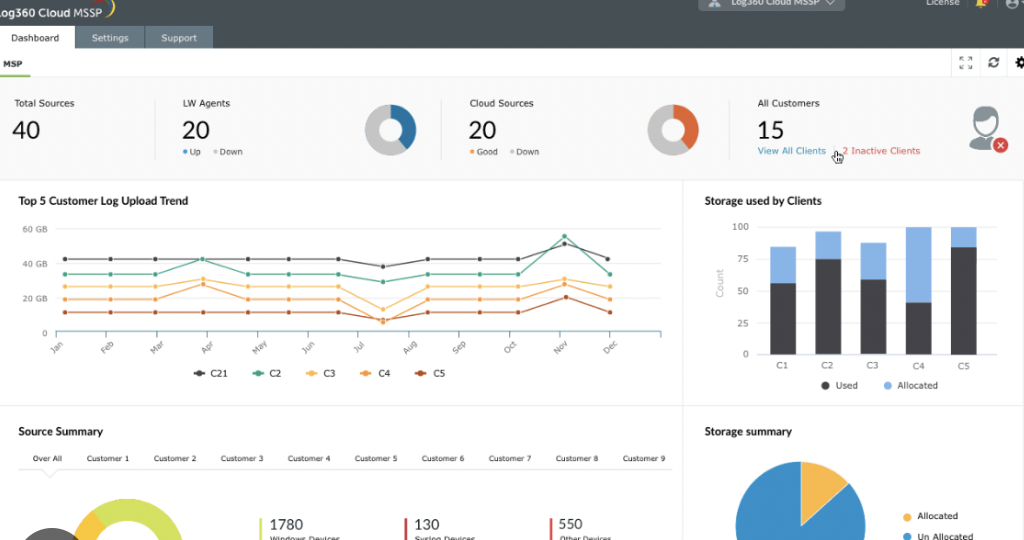
Designed and implemented distributed backend services using a microservice architecture for a cloud-native SIEM platform.
Co-developed a high-throughput HTTP Event Collector using Java Struts, Redux, and REST APIs, achieving a 150% improvement in log ingestion performance via parallel processing and critical path optimization.
Led end-to-end development of a containerized search system using Docker, AWS Lambda, and EC2, reducing search latency by 40% while enabling real-time analytics across globally distributed tenants.
Conducted weekly recitations for a flagship PhD-level deep learning course with 400+ students, covering PyTorch, speech preprocessing, NAS, and memory-efficient data pipelines.
Collaborated with Prof. Bhiksha Raj to develop instructional material and mentor student research projects on LLM reasoning, generative AI, and reinforcement learning.
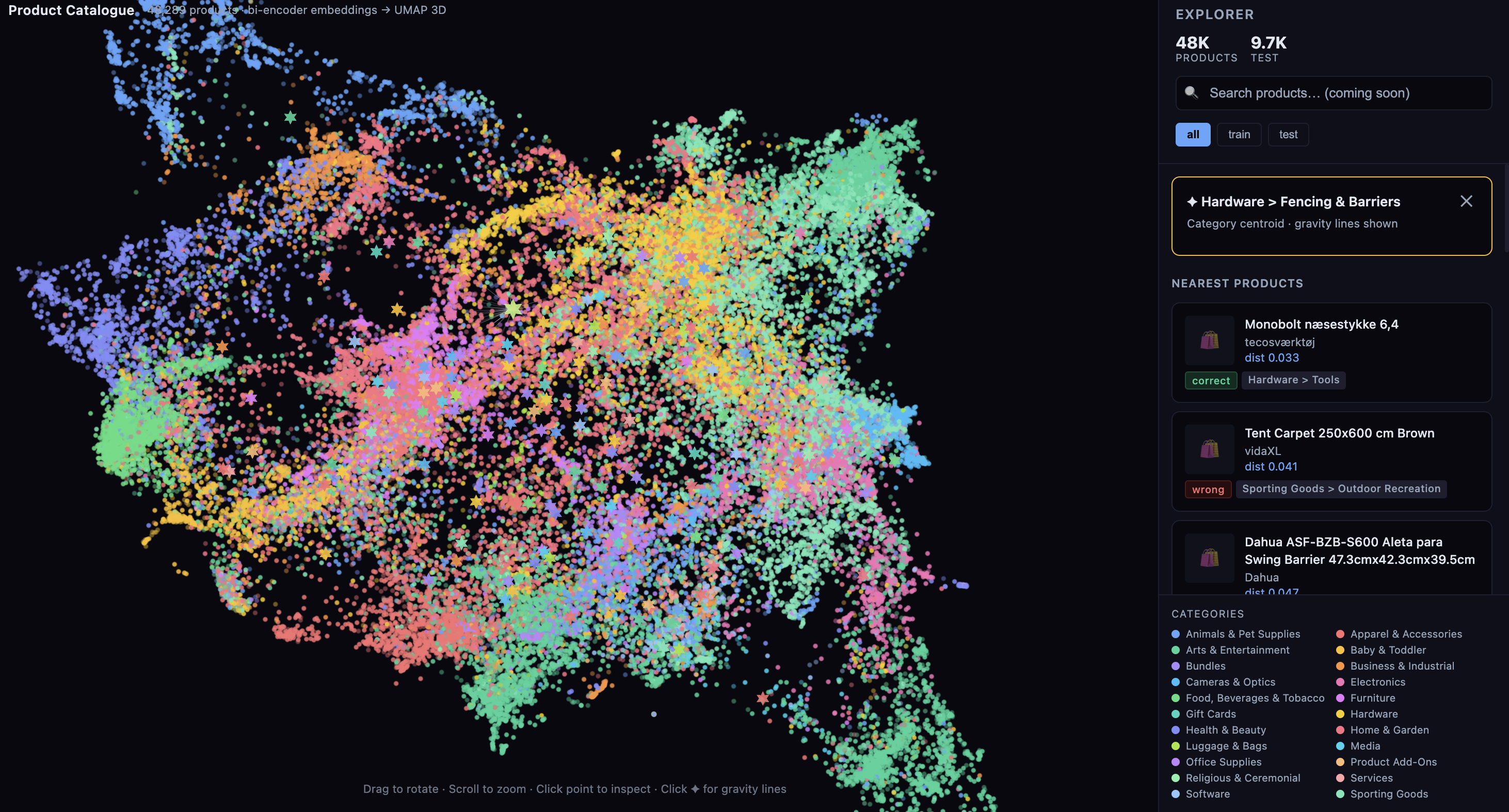
A two-tower reranker that combines product images and descriptions in a shared embedding space, with an interactive 3D explorer to inspect what the model learns.
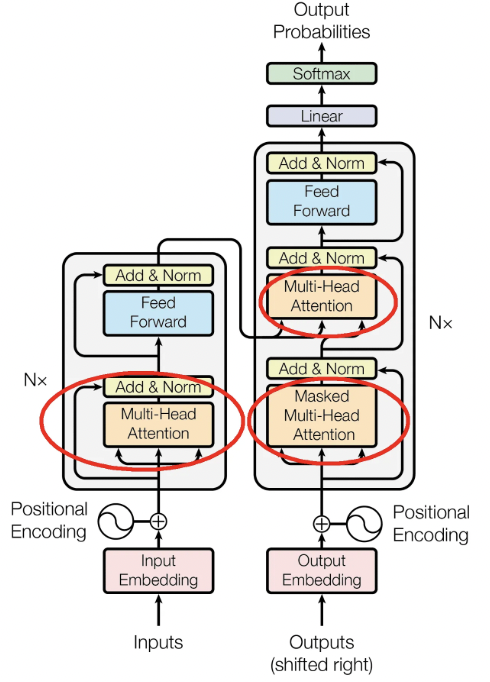
Extended a small GPT model with rotary position embeddings and grouped-query attention, then compared their trade-offs through Shakespeare pretraining and fine-tuning experiments.
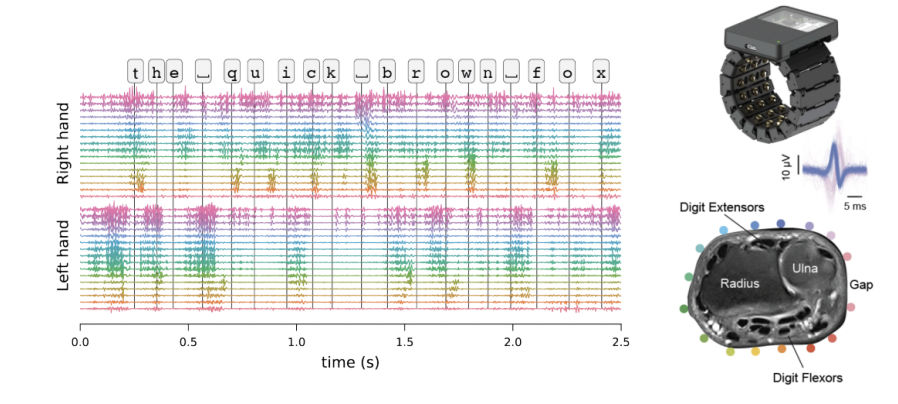
Explored muscle-driven text input with attention-based models that map wrist sEMG signals to keystrokes, combining causal decoding with language-model-based correction.
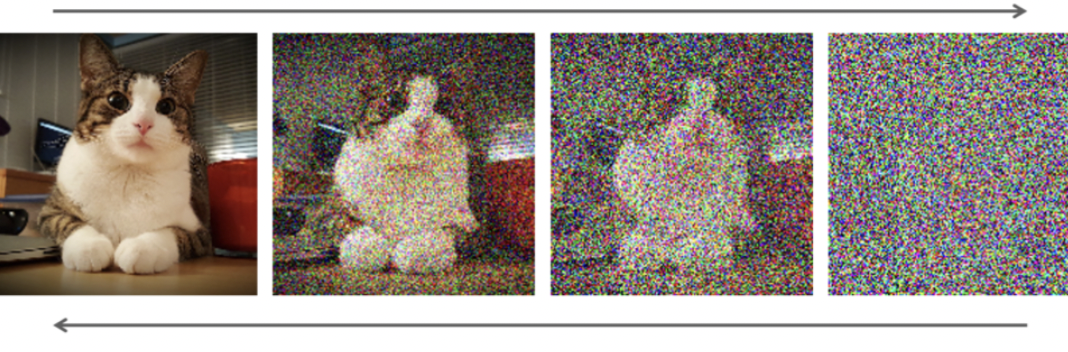
Implemented a denoising diffusion probabilistic model from scratch on AFHQ Cats, with a timestep-conditioned U-Net, cosine noise schedule, and a complete training and sampling pipeline.